
Capability Areas
Affiliated with Hemisphere Aerospace Investments (HAI)
What We Build
Capability Areas
The six areas Hemisphere Aerospace Defense structures its programs around.
Capability Areas
Six areas that define how we scope and sustain defense programs
Hemisphere Aerospace Defense develops programs around a consistent set of capability areas. Each one describes how a program is structured rather than a product line: what the program has to sustain, where it has to operate, what it has to support, and how it has to be maintained over its life. The Paul Revere Program is the first program to bring these areas together in one effort.
The mission requirements
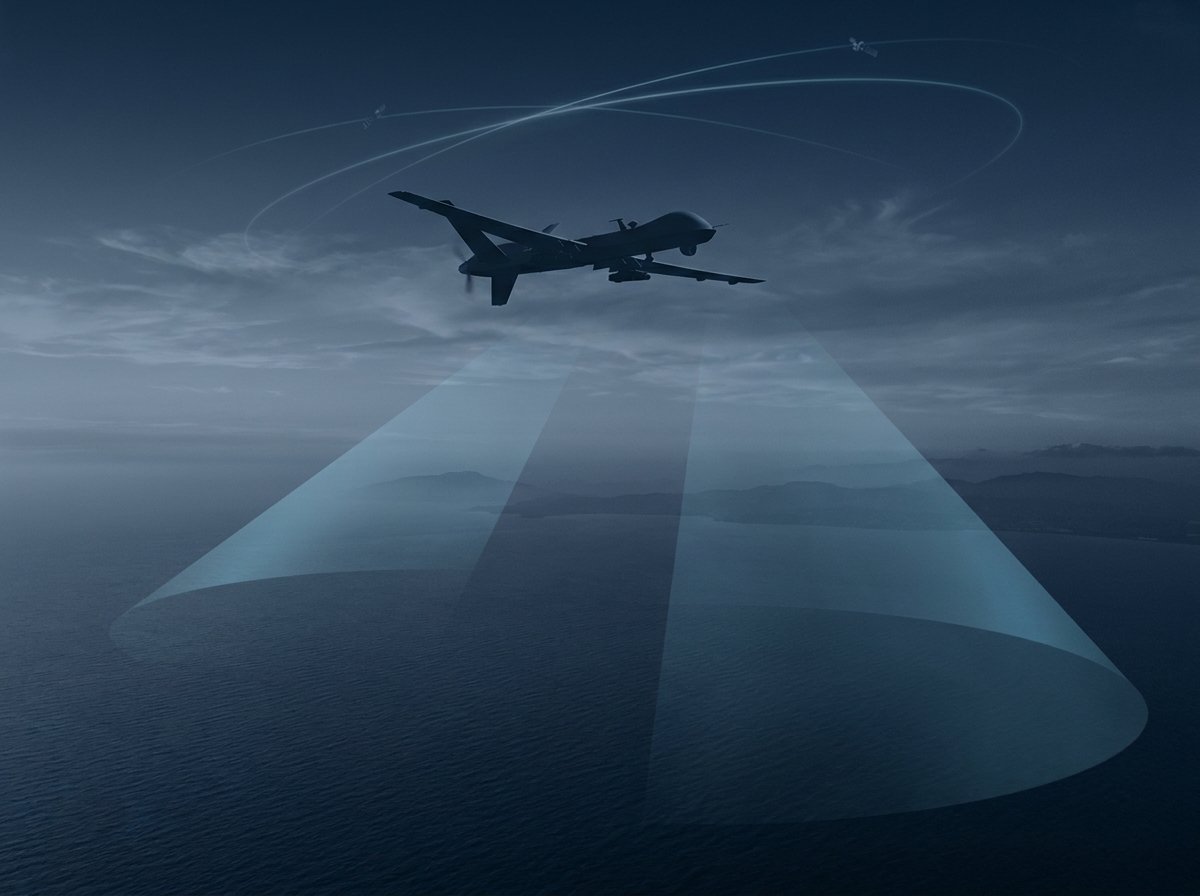
Persistent Awareness
Programs built around sustained sensing and monitoring, so awareness is maintained over time rather than demonstrated once.

Distributed Infrastructure
Capabilities designed to operate across dispersed locations and environments rather than depending on a single fixed point.

Autonomous Systems Support
Infrastructure that launches, recovers, hosts, and sustains autonomous and uncrewed systems in support of the mission.

Modular Mission Capability
Programs that adapt as sensors, payloads, and mission requirements change, without redesigning the underlying system.

Operational Sustainment
Maintenance, logistics, readiness, and lifecycle support treated as part of the program from the outset.

Rapid Program Development
Structured development against measurable criteria and decision gates, so capability advances on evidence.
Where these areas apply
Capability areas cut across the three domains the company works in. Ground, air, and maritime programs draw on the same underlying disciplines and differ in environment, endurance, and support burden. See land, air, and sea domains for how each is addressed, and our approach for how a capability area becomes a scoped program.
Contact & Partnership
Contact Hemisphere DefenseEarly warning is still a national advantage. Build it with us.
For program, partnership, and government-engagement inquiries, reach the appropriate Hemisphere Defense channel.
Hemisphere Defense and Hemisphere Aerospace Investments (HAI) share executive leadership.
Visit HAI